

Every property brings ongoing responsibilities, from legal compliance and maintenance to budgeting, insurance, and future planning. Owners who understand those responsibilities early are better prepared to make decisions that protect both the property and their broader financial goals.
Buying, building, improving, renting, and preserving a property all involve different risks and priorities. A decision that seems minor at the beginning can affect maintenance costs, resale value, cash flow, or legal exposure years later. Careful planning helps owners avoid rushed choices and identify when professional guidance is needed.
This guide explains the major stages of responsible property ownership and provides practical steps for navigating each one. Whether someone is buying a first home, developing land, improving an existing property, or managing an investment, the same principles apply: research carefully, document decisions, plan for expenses, work with qualified professionals, and address problems before they become harder to solve.
- Research the Property Before Making an Offer
- Plan the Right Build From the Ground Up
- Choose Professionals Who Deliver Lasting Quality
- Improve Your Property With Upgrades That Add Value
- Turn Property Into a Reliable Investment
- Recognize Financial Warning Signs Before Problems Escalate
- Create a Long-Term Strategy for Protecting Your Investment
- Taking the Next Step Toward Confident Property Ownership
Research the Property Before Making an Offer
Strong ownership begins with thorough due diligence. Before making an offer, buyers should examine the property’s physical condition, legal status, neighborhood, zoning, insurance history, taxes, and future use restrictions. A low purchase price can become expensive if the property has unresolved liens, boundary disputes, drainage problems, deferred maintenance, or limitations that prevent the buyer from using it as intended.
A title examiner reviews public records and ownership documents to identify problems that may affect the transfer of the property. This review can uncover unpaid taxes, judgments, easements, previous claims, recording errors, or ownership inconsistencies. Buyers should not assume that a clean-looking deed guarantees a clear transfer. They should review the title report carefully, ask questions about exceptions, and understand what title insurance does and does not cover.
Buyers should also learn how real estate law applies to the transaction. Purchase agreements, seller disclosures, zoning rules, homeowners association documents, and inspection deadlines can create binding obligations. A buyer who misses a deadline or signs without understanding a clause may lose negotiating power or accept unexpected responsibility. When a contract includes unusual terms, shared access, leased equipment, tenant occupancy, or unclear boundaries, legal review can prevent costly misunderstandings.
Physical inspections are equally important. Buyers should hire qualified inspectors and investigate major systems such as the roof, electrical service, plumbing, heating, cooling, foundation, and sewer connection. Specialized inspections may be appropriate for wells, septic systems, pools, pests, mold, or environmental concerns. The goal is not merely to create a repair list. It is to understand the property’s condition, estimate future costs, and decide whether the investment still makes sense.
Plan the Right Build From the Ground Up

Building on vacant land requires careful planning before construction equipment arrives. The condition of the lot affects the design, schedule, and total cost of the project. Owners should confirm access, setbacks, zoning, utility availability, soil conditions, drainage patterns, and any restrictions recorded against the land.
Site work and prep often includes clearing vegetation, removing debris, grading, excavation, erosion control, driveway installation, and utility coordination. These steps establish the physical base for the project, and errors can affect the entire structure. Poor grading may direct water toward the foundation, while insufficient compaction can lead to settlement. Owners should request detailed proposals that explain what work is included, how excess soil will be handled, and whether rock removal or drainage improvements could increase the cost.
During new home construction, owners should create a realistic schedule and track major milestones. Permits, inspections, material delivery, weather, utility connections, and subcontractor availability can all affect progress. A written construction agreement should clearly describe the scope of work, payment schedule, allowances, change-order process, warranty terms, and completion requirements. Owners should avoid making large verbal changes without written pricing and updated timelines.
Budget planning should include more than the building contract. Landscaping, window treatments, appliances, utility fees, permit costs, inspections, temporary housing, and financing charges may fall outside the original estimate. A contingency reserve provides room for unforeseen conditions and prevents every surprise from becoming a financial emergency. Regular site visits, organized records, and clear communication with the project team help owners remain informed without disrupting the work.
Choose Professionals Who Deliver Lasting Quality
The quality of a property project often depends on the people hired to complete it. Owners should compare credentials, experience, communication practices, financial stability, and references rather than choosing solely on price. A detailed proposal from a reliable professional is usually more valuable than a vague estimate that leaves important tasks open to interpretation.
When evaluating custom home builders, owners should review completed projects that are similar in size, design, and complexity to the planned home. They should ask how the company manages subcontractors, inspections, material selections, scheduling, and warranty requests. Speaking with recent clients can reveal how the builder handles changes, delays, budget questions, and post-completion issues. Owners should also verify licensing and insurance through appropriate state or local sources.
A local contractor may be especially helpful for smaller construction, repair, renovation, or property preparation projects. Local professionals often understand regional permitting requirements, climate concerns, soil conditions, supplier availability, and common building methods. However, familiarity with the area does not replace proper vetting. Owners should request proof of insurance, written references, and a contract that identifies labor, materials, exclusions, and payment terms.
The contract should be specific enough to reduce confusion. It should describe the work, materials, start date, estimated completion date, cleanup responsibilities, change procedures, and warranty coverage. Payments should be tied to documented progress rather than vague promises. Good records make it easier to resolve questions and provide useful documentation for insurance claims or future sales.
Communication should remain consistent throughout the project. Owners and professionals should agree on how often updates will be provided, who can approve changes, and how urgent problems will be handled. Clear expectations reduce delays and help prevent minor disagreements from becoming serious disputes.
Improve Your Property With Upgrades That Add Value

Property improvements should support the owner’s needs while protecting long-term value. The most useful projects usually address safety, function, efficiency, and maintenance before purely decorative changes. A new countertop may improve appearance, but repairing water intrusion, outdated wiring, poor ventilation, or structural damage is often more important.
Before beginning a home remodel, owners should define the purpose of the project. Some improvements are designed to make daily life more comfortable, while others prepare a property for sale, improve accessibility, reduce energy use, or correct outdated features. A clear purpose helps determine the budget and prevents unnecessary upgrades. Owners should also research permit requirements and confirm whether changes could affect plumbing, electrical systems, structure, or property boundaries.
Budgeting should include design fees, demolition, materials, labor, permits, waste removal, temporary accommodations, and a contingency reserve. Older homes often reveal hidden issues after walls or flooring are removed. Owners should decide in advance how they will evaluate unexpected repairs and how much additional spending they can accept.
Improvements with broad practical value often include updated kitchens, functional bathrooms, durable flooring, improved storage, efficient windows, better insulation, and refreshed exterior features. Still, owners should avoid overbuilding for the neighborhood. Highly personalized or unusually expensive upgrades may not produce an equal increase in resale value.
Maintenance should continue after the work is complete. Owners should save warranties, product information, paint details, permits, and contractor records.
Turn Property Into a Reliable Investment
Owning investment property requires a different mindset from owning a personal residence. The property must function as both a physical asset and an operating business. Owners need systems for budgeting, tenant communication, maintenance, recordkeeping, compliance, and long-term planning.
Before purchasing rental properties, investors should estimate income conservatively and expenses thoroughly. Mortgage payments are only one part of the calculation. Taxes, insurance, repairs, vacancies, utilities, licensing, advertising, accounting, and capital replacements can significantly affect returns. Investors should evaluate the local rental market, typical vacancy rates, tenant demand, and legal requirements before relying on projected cash flow.
Tenant screening should follow consistent written criteria and applicable housing laws. Owners should verify income, rental history, credit information, and references using a documented process. The lease should clearly explain rent, deposits, maintenance responsibilities, occupancy limits, renewal terms, notice procedures, and property rules. Clear agreements reduce uncertainty for both parties.
Professional property management can help owners who lack time, local presence, or operational experience. A management company may handle advertising, showings, screening, rent collection, maintenance coordination, inspections, and tenant concerns. Owners should understand the fee structure, spending authority, reporting process, termination terms, and vendor relationships before signing an agreement.
Even with professional assistance, owners should review monthly statements, maintain reserves, monitor major repairs, and track the property’s overall performance. They should plan for roofs, heating systems, appliances, and other large expenses before failure occurs. A well-managed property is more likely to retain tenants, avoid emergency costs, and support consistent long-term value.
Recognize Financial Warning Signs Before Problems Escalate
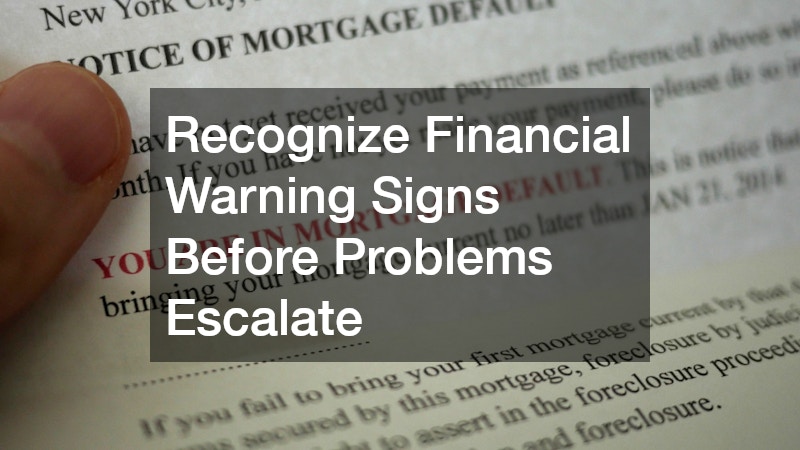
Property owners should act early when financial pressure begins. Missed payments are often the final stage of a problem that developed months earlier. Income loss, medical expenses, major repairs, rising taxes, insurance increases, adjustable loan payments, or excessive debt can gradually make ownership unaffordable.
Common warning signs include using credit for basic expenses, delaying maintenance, falling behind on taxes or association fees, and repeatedly borrowing to cover housing costs. Owners should review their full financial picture as soon as these patterns appear. A written budget can show whether the problem is temporary or structural.
When foreclosure becomes a possibility, avoiding notices or waiting for the situation to improve can reduce available options. Owners should open all lender communications, document conversations, and request a clear explanation of the loan status. Depending on the circumstances, possible solutions may include repayment plans, loan modification, refinancing, selling the property, or other negotiated arrangements.
Because deadlines and procedures vary, owners may benefit from speaking with qualified housing counselors, financial professionals, or attorneys. They should be cautious of companies that demand large upfront fees, guarantee results, or pressure them to transfer ownership. Reliable help should explain risks, costs, and alternatives clearly.
Protecting equity requires honest decision-making. Selling before costs and penalties grow may preserve more value than holding a property that is no longer affordable. The best option depends on income, equity, loan terms, local conditions, and the owner’s long-term goals.
Create a Long-Term Strategy for Protecting Your Investment

Successful ownership depends on routines that prevent neglect and support informed decisions. Owners should create annual maintenance schedules, review insurance coverage, inspect major systems, monitor neighborhood changes, and update financial plans as circumstances change.
A reserve fund is one of the most useful protections. Roofs, heating systems, plumbing lines, appliances, and exterior materials eventually need repair or replacement. Saving gradually reduces dependence on high-interest debt and allows owners to address problems promptly.
Insurance should be reviewed after major improvements, changes in occupancy, or shifts in local risk. Owners should understand deductibles, exclusions, liability limits, and coverage for floods, earthquakes, or rental use when applicable. Keeping photographs, receipts, and improvement records can make future claims easier to document.
Owners should also review estate plans, ownership structures, beneficiary designations, and shared ownership agreements. Life changes such as marriage, divorce, inheritance, business formation, or retirement may affect how property should be held or transferred.
Periodic property evaluations help owners decide whether to hold, improve, refinance, rent, or sell. These decisions should reflect current finances and future goals rather than habit. By reviewing the property as both a place and an asset, owners can respond to change with greater confidence.
Taking the Next Step Toward Confident Property Ownership
Successful property ownership is built through consistent planning, careful documentation, and timely action. The strongest owners do not wait for major problems before learning about their responsibilities. They research before buying, budget for long-term expenses, hire qualified professionals, monitor projects closely, and adjust their strategy when circumstances change.
Understand the condition and legal status of the asset, plan realistically, preserve financial flexibility, and maintain clear records. These habits reduce uncertainty and make it easier to respond when repairs, market changes, or personal challenges arise.
Real estate can be a valuable long-term asset, but it performs best when it is actively managed. Owners who make thoughtful decisions at each stage are better positioned to protect their investment, support stable finances, and create lasting value for themselves and future occupants.
