
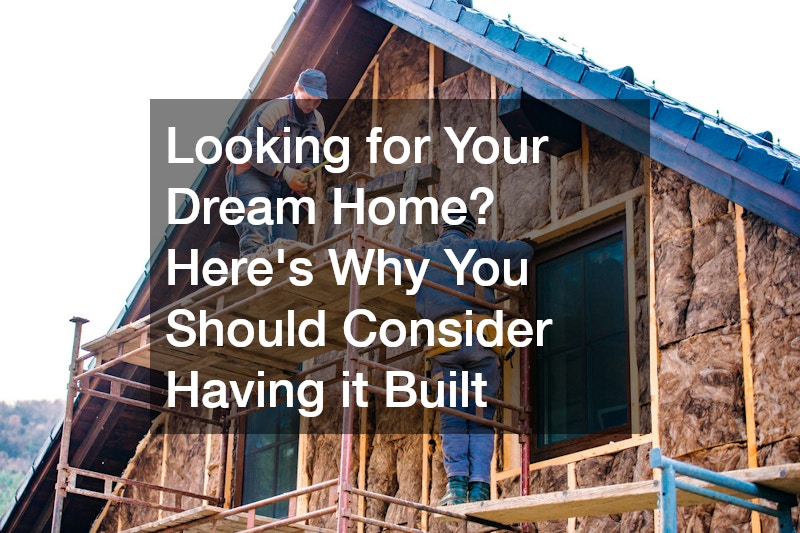
Many people begin their search for a dream home by browsing listings, attending open houses, and comparing properties in different neighborhoods. While this traditional route works for some buyers, others quickly discover that existing homes rarely check every box. Layout limitations, outdated systems, renovation costs, and compromises in design often make it difficult to find a property that truly fits both lifestyle and long-term goals. For these reasons, more homeowners are exploring the possibility of building instead of buying.
Constructing a home from the ground up offers an opportunity to design a living space that reflects your needs, preferences, and plans for the future. Instead of adapting to a home that someone else designed, you can create a space tailored specifically to how you live. From floor plans and finishes to energy efficiency and smart technology, building provides a level of customization that is difficult to achieve when purchasing an existing house.
At the same time, the process of building a home involves many moving parts. Financing, legal planning, insurance, inspections, and contractor selection all play important roles in ensuring that the project runs smoothly. Understanding these steps ahead of time helps future homeowners approach the process with confidence and avoid common mistakes.
This guide explores why building a home can be a smart choice for buyers who want more control over their living space. By understanding how to plan, finance, and manage the process effectively, you can make informed decisions that bring your dream home to life.
- Evaluating Whether Building Is the Right Choice for Your Lifestyle
- Finding the Right Professionals to Bring Your Vision to Life
- Planning Financing and Budgeting Before Construction Begins
- Protecting Your Property Through Smart Legal Planning
- Designing a Home That Meets Your Long-Term Needs
- Ensuring Quality and Safety Through Professional Inspections
- Preparing for Life in a Newly Built Home
Evaluating Whether Building Is the Right Choice for Your Lifestyle
One of the first steps in deciding whether to build a home is evaluating how your lifestyle aligns with the benefits of a newly constructed property. Many buyers start their search expecting to find a perfect house already on the market, but it often becomes clear that compromises are unavoidable. Rooms may be too small, layouts may feel outdated, or the overall design may not suit modern living. These frustrations lead many prospective homeowners to consider creating a custom home that aligns with their specific needs.
A custom home allows homeowners to design each element of the living space intentionally. Instead of adjusting to an existing layout, families can prioritize features that improve daily life, such as open kitchens, dedicated office space, larger storage areas, or energy-efficient systems. This flexibility often results in a home that remains functional and comfortable for many years.
For buyers who prefer a low-maintenance lifestyle or a more urban environment, a local luxury townhome may still be an attractive option. However, townhomes typically come with shared structures, homeowner association rules, and limited customization. Comparing these factors carefully helps buyers determine whether building a fully customized home better supports their long-term goals.
When evaluating your options, consider how long you plan to stay in the home, what features are most important to you, and whether customization outweighs the convenience of purchasing an existing property. Many homeowners ultimately find that building offers greater long-term satisfaction because the finished product reflects their personal vision rather than someone else’s design choices.
Finding the Right Professionals to Bring Your Vision to Life

Building a home successfully depends heavily on selecting experienced professionals who understand the construction process and can guide homeowners through each stage of development. One of the most important decisions involves choosing a local home builder with a proven reputation for quality work and transparent communication.
Local builders bring valuable knowledge about regional building codes, climate considerations, and permitting requirements. They also tend to have established relationships with subcontractors, inspectors, and suppliers, which can help projects stay on schedule and within budget. When evaluating builders, homeowners should review previous projects, ask for references, and ensure the company has proper licensing and insurance coverage.
For homeowners seeking a highly personalized design, working with a custom home builder often provides the greatest flexibility. These professionals specialize in creating homes tailored to the client’s exact specifications. Instead of choosing from a limited set of pre-designed floor plans, homeowners collaborate directly with designers and architects to develop a home that reflects their unique preferences.
Communication is critical during this stage. Homeowners should discuss timelines, construction milestones, budget expectations, and design possibilities with potential builders before signing a contract. A builder who is willing to explain the process clearly and answer questions thoroughly often becomes a valuable partner throughout the entire project.
Taking time to select the right professionals early in the process can make the difference between a stressful construction experience and a smooth, well-managed project that brings your vision to life.
Planning Financing and Budgeting Before Construction Begins

Financing a newly built home differs significantly from purchasing an existing property. Construction projects require careful financial planning because expenses occur gradually as different phases of the build are completed. Before breaking ground, homeowners should meet with a home mortgage broker to explore financing options designed specifically for construction projects.
A mortgage broker can help borrowers understand construction loans, which typically provide funding in stages as the project progresses. These loans often convert into traditional mortgages once the home is completed. Understanding how this process works helps homeowners plan their budgets and avoid unexpected financial challenges during construction.
In addition to financing the build itself, homeowners must also consider long-term protection for their investment. Obtaining homeowners insurance quotes early in the process ensures that coverage will be in place once the home is completed. Insurance providers evaluate factors such as location, construction materials, safety systems, and property value when determining premiums.
Planning insurance coverage before construction is finished allows homeowners to compare policies and choose a plan that protects their property adequately. This step becomes especially important when building a high-value property or incorporating specialized design features that may require additional coverage.
Careful financial planning not only ensures that construction proceeds smoothly but also protects homeowners from financial strain during and after the building process.
Protecting Your Property Through Smart Legal Planning
While many people focus primarily on design and construction when building a home, legal planning is another important component of responsible homeownership. Real estate is often one of the most valuable assets a person owns, and protecting that investment requires thoughtful preparation.
Consulting with a real estate law firm can help homeowners develop strategies for managing property ownership, transferring assets to family members, and planning for long-term financial stability. Estate planning may include establishing wills, trusts, or property ownership structures that simplify the process of transferring the home to future generations.
In addition to estate planning, legal professionals can help homeowners review contracts related to construction projects. Agreements with builders, contractors, and subcontractors should clearly outline responsibilities, payment schedules, project timelines, and dispute resolution procedures. Reviewing these documents carefully helps prevent misunderstandings and protects homeowners from potential legal complications.
Legal guidance becomes particularly valuable for individuals building homes intended to remain in the family for many years. Establishing a clear ownership and inheritance structure ensures that the property continues to provide value and stability for future generations.
Designing a Home That Meets Your Long-Term Needs
One of the greatest advantages of building a home is the ability to design spaces that truly support your lifestyle. When purchasing an existing house, homeowners often adapt their routines to fit the available layout. Building a new home allows the design to reflect how people actually live and use their space.
Working with a qualified home renovation contractor during the design phase can provide helpful insight into how specific materials, layouts, and structural features will perform over time. Renovation professionals often understand the practical challenges homeowners encounter when modifying older houses, and they can use that experience to help avoid similar problems in new construction.
Design considerations should include not only aesthetics but also functionality and longevity. Planning flexible spaces that can adapt to changing family needs helps ensure the home remains useful for decades. Features such as multi-purpose rooms, accessible entryways, and energy-efficient systems can significantly improve the long-term value of the property.
Homeowners should also consider how design choices affect maintenance requirements. Durable materials, smart storage solutions, and efficient layouts can reduce long-term upkeep while improving overall comfort. Thoughtful design decisions made during construction often eliminate the need for major renovations later.
Ensuring Quality and Safety Through Professional Inspections
Although building a new home involves professional contractors and engineers, inspections remain an essential part of the process. Independent evaluations help verify that construction meets safety standards and that all systems function properly before the home is occupied.
A reputable home inspection company can perform detailed assessments at various stages of construction. These inspections often include evaluating structural components, plumbing systems, HVAC installations, insulation quality, and general workmanship. Identifying potential issues early allows builders to address them before the project progresses further.
One particularly important aspect of inspection involves electrical inspections, which ensure that wiring systems meet safety codes and operate reliably. Electrical problems can create serious safety hazards if they are not detected during construction. Professional inspections confirm that outlets, circuits, panels, and other electrical components are installed correctly.
Regular inspections throughout the building process provide homeowners with peace of mind that their investment is being constructed according to proper standards. They also create documentation that may be helpful for insurance, resale value, and long-term maintenance planning.
Preparing for Life in a Newly Built Home
Once construction is complete, homeowners can begin enjoying the many advantages that come with living in a newly built property. Modern construction techniques often result in improved energy efficiency, better insulation, and advanced building materials that reduce maintenance needs over time.
New homes also provide the satisfaction of knowing that every detail reflects personal choices and priorities. From the layout of living spaces to the finishes used throughout the house, each feature contributes to a home environment designed specifically for the homeowner’s lifestyle.
In addition to comfort and customization, new construction often provides greater reliability than older homes. Systems such as plumbing, electrical wiring, and roofing are brand new, which reduces the likelihood of unexpected repairs during the first several years of ownership.
Homeowners should still develop a maintenance routine to preserve the condition of their property. Scheduling periodic inspections, reviewing insurance coverage, and maintaining communication with builders or contractors can help ensure that the home remains in excellent condition for years to come.
For many people searching for the perfect place to live, building a home provides opportunities that existing properties simply cannot match. The ability to design a living space around personal preferences, incorporate modern technology, and create a long-term investment tailored to your lifestyle makes new construction an appealing option.
Although the process involves careful planning and coordination among multiple professionals, the result is a home that reflects your vision from the ground up. With thoughtful preparation, strong professional partnerships, and a clear understanding of each step involved, building a home can become one of the most rewarding decisions a homeowner makes.
The significance of collaboration with experts cannot be understated. Real estate agents, architects, financial advisors, and interior designers provide invaluable insights that streamline your path and enhance the end result. Their expertise ensures that your dream home aligns with your vision, combining functionality, comfort, and aesthetic value. In essence, your dream home is more than just a physical structure; it is a space where you and your family can grow and thrive. With the right strategies and guidance, turning this dream into reality is not only possible but within your reach. The future of homeownership is not just about building a house; it’s about crafting a lifestyle and creating memories in a space that truly feels like home.
